Vietnam Travel & Tourism Guide from India – Cost, Itinerary & Tips
Introduction: Why Vietnam is Perfect for Indian Travelers
Vietnam has emerged as one of the most sought-after destinations for Indian travelers in recent years, and for good reason. This Southeast Asian gem offers an irresistible combination of affordability, exotic experiences, and cultural richness that resonates deeply with Indian tourists.
The country presents a fascinating blend of ancient temples, French colonial architecture, pristine beaches, emerald rice terraces, and vibrant cities that never sleep. For Indian travelers, Vietnam stands out because it offers exceptional value for money—your rupee stretches significantly further here compared to European or American destinations. A week-long international vacation that might cost ₹2 lakhs per person in Europe can be experienced in Vietnam for nearly half that amount.
Beyond budget considerations, Vietnam captivates Indian visitors with its warm hospitality, surprisingly familiar flavors in local cuisine (think fresh herbs, rice noodles, and aromatic broths), and the convenience of easy visa processes. Whether you’re a honeymooning couple seeking romantic sunsets in Ha Long Bay, a family wanting safe and enriching experiences, or an adventure enthusiast ready to trek through Sapa’s mountains, Vietnam delivers on all fronts.
The country’s compact geography means you can experience dramatic diversity within short distances—from the misty mountains of the north to the tropical beaches of the south, all connected by affordable domestic flights and comfortable sleeper buses.
Vietnam Tour Packages Overview
Vietnam tour packages from India cater to diverse traveler profiles and budgets. Most reputable tour operators offer customizable itineraries that can be tailored to your specific interests and travel style.
Popular Package Themes:
- Honeymoon Packages: Romantic escapes featuring Ha Long Bay cruises, beachfront resorts, and candlelit dinners
- Family Packages: Kid-friendly activities, cultural experiences, and comfortable accommodations
- Adventure Packages: Trekking in Sapa, motorbiking through mountain passes, water sports
- Cultural & Heritage Tours: Temple visits, cooking classes, traditional villages, and historical sites
- Beach & Relaxation: Focus on coastal destinations like Nha Trang, Da Nang, and Phu Quoc
Typical Price Ranges (Per Person, excluding international flights):
| Package Type | Duration | Price Range (INR) | Inclusions |
|---|---|---|---|
| Budget | 5-6 Days | ₹35,000 – ₹50,000 | 3-star hotels, breakfast, some transfers |
| Standard | 6-7 Days | ₹55,000 – ₹75,000 | 4-star hotels, daily breakfast, most sightseeing |
| Premium | 7-10 Days | ₹80,000 – ₹1,20,000 | 5-star hotels, meals, private transfers, cruises |
| Luxury | 10+ Days | ₹1,50,000+ | Boutique resorts, all-inclusive, premium experiences |
What’s Typically Included:
- Accommodation (twin/double sharing basis)
- Daily breakfast (some packages include additional meals)
- Internal transfers and transportation
- Sightseeing with English-speaking guides
- Entry tickets to major attractions
- Airport transfers
Usually Excluded:
- International flights (though some packages offer them as add-ons)
- Visa fees
- Travel insurance
- Personal expenses and tips
- Meals not specified in the itinerary
Pro Tip: Booking 2-3 months in advance often fetches better deals, especially during peak season (November to March).
Best Time to Visit Vietnam
Vietnam’s elongated geography means the weather varies significantly from north to south. Understanding these patterns helps you plan the perfect trip.
North Vietnam (Hanoi, Ha Long Bay, Sapa):
- Best Time: October to April (cool and dry)
- November to February: Pleasant weather, ideal for sightseeing (15-20°C)
- March to May: Warm and comfortable
- June to September: Hot, humid with occasional heavy rains
Central Vietnam (Da Nang, Hoi An, Hue):
- Best Time: February to May (dry and sunny)
- June to August: Hot but manageable
- September to January: Rainy season, occasional typhoons
South Vietnam (Ho Chi Minh City, Mekong Delta, Phu Quoc):
- Best Time: November to April (dry season)
- December to February: Peak season, perfect weather (25-30°C)
- May to October: Monsoon season with afternoon showers
Ideal Months for All-Vietnam Tours: November to March offers the most consistent weather across all regions, making it perfect for comprehensive itineraries covering north to south.
Festival Tip: Vietnamese Lunar New Year (Tet) usually falls in late January or February. While culturally fascinating, many businesses close for a week, and prices surge significantly.
Vietnam Visa Guide for Indians
Getting a Vietnam visa as an Indian citizen is remarkably straightforward, with multiple convenient options available.
E-Visa (Recommended for Most Travelers):
- Validity: 90 days, single or multiple entry
- Processing Time: 3-5 business days
- Cost: Approximately USD 25 (₹2,100)
- How to Apply: Visit the official Vietnam Immigration website, fill the online form, upload passport photo and passport copy, pay online
- Collection: Print the approved e-visa and carry it with your passport
Visa on Arrival:
- Requires a pre-approval letter from a Vietnamese travel agency
- Suitable for travelers arriving by air at major airports
- Stamping fee paid on arrival: USD 25-50 depending on validity
- Slightly cheaper than e-visa but involves airport queues
Requirements for E-Visa:
- Passport valid for at least 6 months from arrival date
- Recent passport-size photograph (4×6 cm, white background)
- Valid email address
- Credit/debit card for payment
Processing Tips:
- Apply at least 7-10 days before travel to avoid last-minute stress
- Double-check all details—spelling errors can cause rejection
- Carry printed copies of your visa approval
- Keep digital copies as backup
Important Notes:
- Indian passport holders cannot obtain visa-free entry
- E-visa is valid for entry through 33 airports, 16 land borders, and 13 seaports
- Business visas require additional documentation through embassy channels
Suggested Itineraries for Indian Travelers
5 Days Vietnam Itinerary (Quick Escape)
Day 1: Arrive in Hanoi → Old Quarter exploration → Hoan Kiem Lake → Water Puppet Show
Day 2: Ha Long Bay day cruise → Kayaking through limestone karsts → Return to Hanoi
Day 3: Hanoi to Da Nang (flight) → Transfer to Hoi An → Ancient Town evening walk
Day 4: Hoi An full day → Japanese Bridge → Cooking class → Tailor shops → Beach time
Day 5: Da Nang city tour → Marble Mountains → Fly back home from Da Nang
7 Days Vietnam Itinerary (Balanced Experience)
Day 1: Arrive Hanoi → City orientation → Street food tour
Day 2: Hanoi sightseeing → Ho Chi Minh Mausoleum → Temple of Literature → Train Street
Day 3: Ha Long Bay overnight cruise → Sunset party → Fresh seafood dinner
Day 4: Cruise continues → Sung Sot Cave → Return to Hanoi → Evening flight to Da Nang
Day 5: Hoi An exploration → Lantern-lit streets → Beach relaxation → Basket boat ride
Day 6: Fly to Ho Chi Minh City → Cu Chi Tunnels → War Remnants Museum
Day 7: Mekong Delta day trip → Floating markets → Return to HCMC → Depart
10 Days Vietnam Itinerary (Comprehensive Tour)
Day 1: Arrive Hanoi → Check-in and rest → Evening cyclo ride
Day 2: Hanoi full day → Cultural sites → Egg coffee experience
Day 3-4: Ha Long Bay 2-day/1-night luxury cruise → Cave exploration → Kayaking
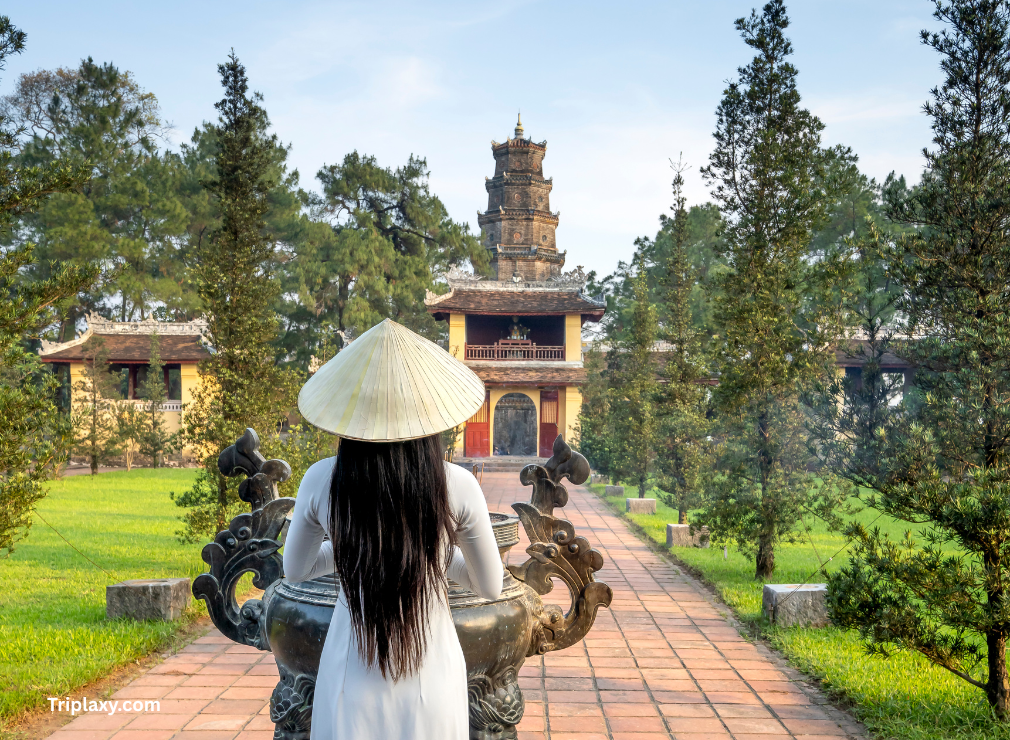
Day 5: Return to Hanoi → Fly to Hue → Imperial City tour
Day 6: Hue to Hoi An via Hai Van Pass → Scenic stops → Check into Hoi An
Day 7: Hoi An leisure day → My Son Sanctuary → Beach club
Day 8: Fly to Ho Chi Minh City → City tour → Ben Thanh Market
Day 9: Mekong Delta full day → Traditional villages → Boat rides
Day 10: Cu Chi Tunnels morning tour → Shopping → Departure
Best Places to Visit in Vietnam
Hanoi (Capital of Vietnam)
The political and cultural heart of Vietnam, Hanoi charms visitors with its tree-lined boulevards, serene lakes, and chaotic yet captivating Old Quarter. Must-visit spots include the Ho Chi Minh Mausoleum, Temple of Literature (Vietnam’s first university), and the bustling Dong Xuan Market. Don’t miss sampling egg coffee, bun cha (grilled pork with noodles), and pho at local street stalls. The city’s French colonial architecture adds romantic character to your exploration.
Ha Long Bay (UNESCO World Heritage Site)
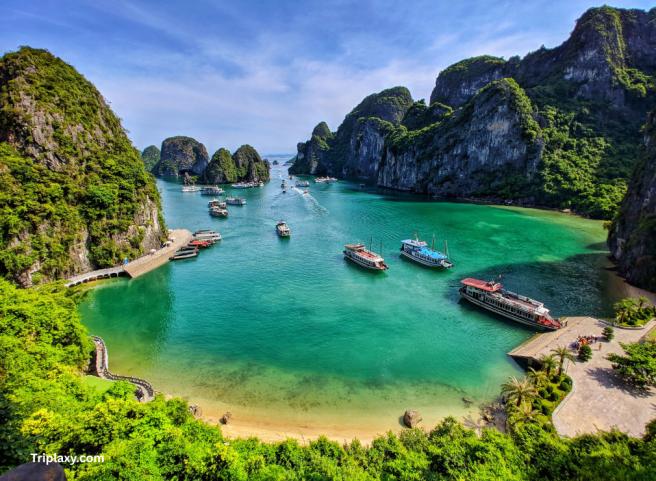
This is Vietnam’s crown jewel—a surreal seascape of nearly 2,000 limestone islands rising dramatically from emerald waters. Most travelers opt for overnight cruises that include kayaking, swimming, cave exploration, and sunset tai chi sessions. The experience of waking up to misty karsts and enjoying fresh seafood on deck is unforgettable. Premium cruises offer luxury cabins, while budget options provide basic comfort.
Da Nang & Hoi An (Central Coast Gems)
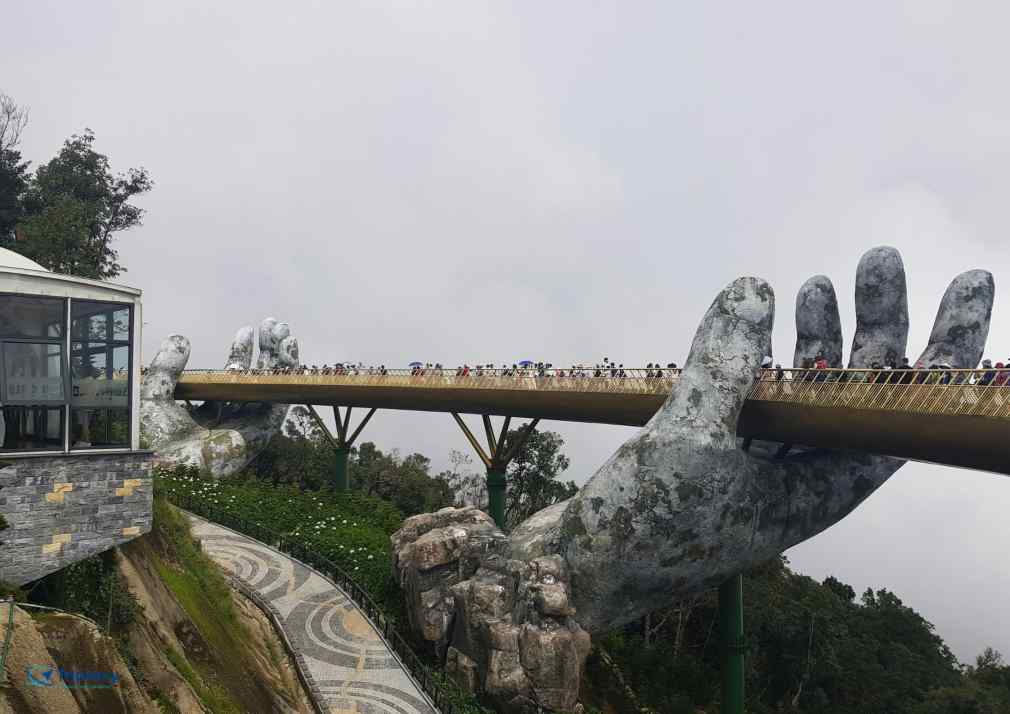
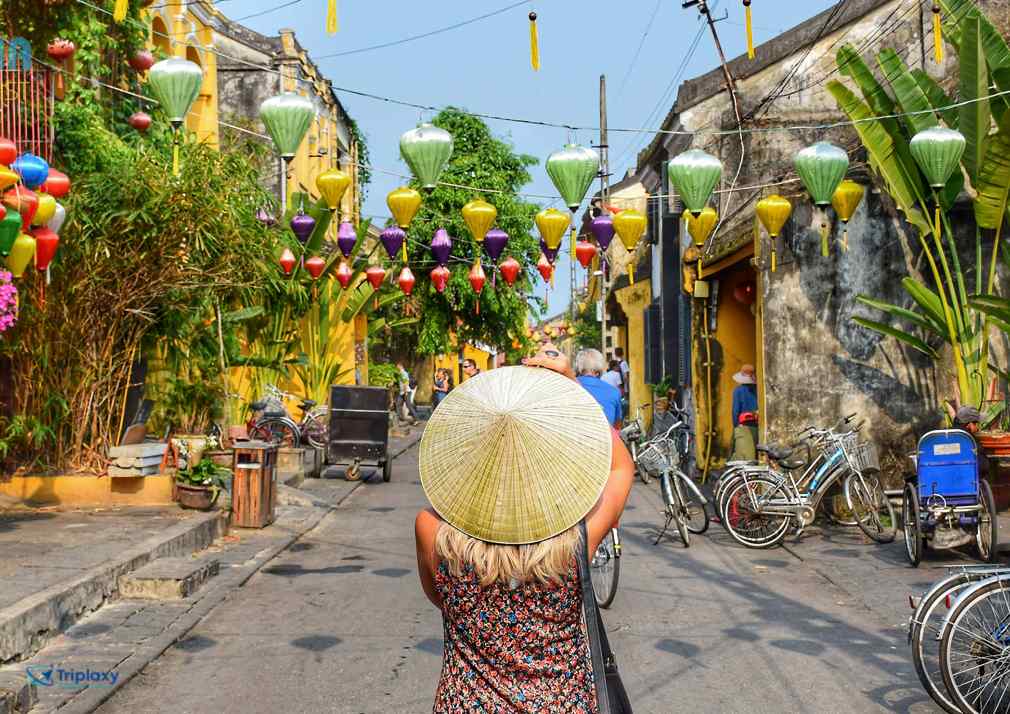
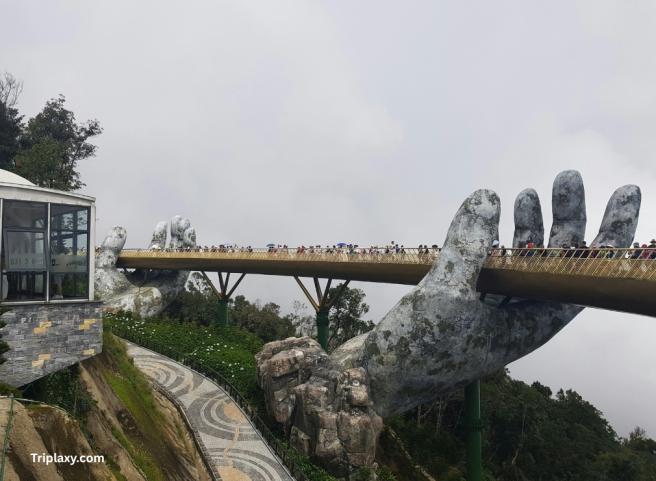
Da Nang boasts stunning beaches, the iconic Golden Bridge held by giant stone hands, and the Marble Mountains. Just 30 minutes south, Hoi An is a perfectly preserved ancient trading port where tapered buildings glow under hundreds of silk lanterns at night. Hoi An is famous for custom-tailored clothing (suits, dresses made in 24 hours), cooking classes, and the beautiful An Bang Beach. The combination of both cities offers culture, relaxation, and Instagram-worthy moments.
Ho Chi Minh City (Saigon – Commercial Capital)
Vietnam’s largest city pulses with energy, offering a stark contrast to Hanoi’s old-world charm. Explore the Notre-Dame Cathedral Basilica, Central Post Office, and vibrant Ben Thanh Market. The Cu Chi Tunnels (45 km away) provide sobering insights into the Vietnam War. Saigon’s rooftop bars, international dining scene, and shopping districts cater to modern travelers seeking urban experiences.
Sapa (Mountain Paradise)
For adventure seekers and nature lovers, Sapa’s terraced rice fields, ethnic minority villages, and misty mountains offer incredible trekking opportunities. The journey from Hanoi (overnight train or 5-hour drive) is part of the adventure. Visit between September and November when rice terraces turn golden, or in spring when they’re vibrant green.
Phu Quoc (Island Escape)
Vietnam’s largest island features white-sand beaches, coral reefs, and seafood markets. It’s perfect for travelers wanting to extend their trip with beach relaxation. The island offers water sports, night markets, and the world’s longest non-stop three-rope cable car to Hon Thom Island.
Vietnam Trip Cost Breakdown from India
Understanding costs helps you budget effectively and avoid surprises. Here’s a realistic breakdown for Indian travelers:
| Expense Category | Budget | Mid-Range | Luxury |
|---|---|---|---|
| International Flights (Round trip from Delhi/Mumbai) | ₹20,000 – ₹30,000 | ₹30,000 – ₹45,000 | ₹50,000+ |
| Accommodation (Per night) | ₹1,500 – ₹2,500 | ₹3,500 – ₹6,000 | ₹8,000 – ₹20,000 |
| Food (Per day) | ₹800 – ₹1,200 | ₹1,500 – ₹2,500 | ₹3,000+ |
| Local Transport (Per day) | ₹300 – ₹500 | ₹800 – ₹1,500 | ₹2,000+ |
| Sightseeing & Activities (Per day) | ₹1,000 – ₹2,000 | ₹2,500 – ₹4,000 | ₹5,000+ |
| Ha Long Bay Cruise (Overnight) | ₹6,000 – ₹8,000 | ₹10,000 – ₹15,000 | ₹20,000+ |
| Visa Fee | ₹2,100 | ₹2,100 | ₹2,100 |
Sample 7-Day Trip Cost Estimate (Per Person):
- Budget Traveler: ₹55,000 – ₹70,000 (including flights)
- Mid-Range Traveler: ₹90,000 – ₹1,20,000 (including flights)
- Luxury Traveler: ₹1,60,000 – ₹2,50,000 (including flights)
Money-Saving Tips:
- Book flights 2-3 months in advance
- Travel during shoulder season (April-May or September-October)
- Use Grab app for transparent taxi pricing
- Eat at local restaurants (delicious and cheap)
- Book accommodation in advance for better rates
Food in Vietnam: Indian & Vegetarian Options
Vietnamese cuisine shares surprising similarities with Indian food—both cultures love fresh herbs, rice-based dishes, and aromatic flavors. However, pure vegetarian food requires some navigation.
What to Expect:
Vietnamese food is characterized by fresh ingredients, balanced flavors (sweet, salty, sour, spicy), and herbs like cilantro, mint, and basil. Popular dishes include pho (noodle soup), banh mi (baguette sandwiches), spring rolls, and cao lau (regional Hoi An noodles). Fish sauce (nuoc mam) is ubiquitous, so vegetarians should specifically request “khong nuoc mam” (no fish sauce).
Vegetarian & Vegan Options:
Larger cities like Hanoi, Hoi An, and Ho Chi Minh City have dedicated vegetarian restaurants, often Buddhist-run establishments serving mock meat dishes. Look for signs saying “Chay” or “An Chay” (vegetarian). Fresh spring rolls (goi cuon), fried spring rolls (without meat), vegetable pho, and fruit smoothies are widely available.
Indian Restaurants in Vietnam:
Major tourist areas have Indian restaurants serving North and South Indian cuisine. In Hanoi, check out the Old Quarter; in Ho Chi Minh City, visit District 1. Hoi An has several Indian eateries. Expect to pay ₹500-800 for a thali or curry dish. Quality varies, so check recent reviews.
Food Safety Tips:
- Stick to busy restaurants with high turnover
- Drink bottled water only
- Eat cooked food while avoiding raw vegetables at street stalls
- Carry digestive medicines as a precaution
Must-Try Dishes (with veg variations possible):
- Pho (request vegetable pho)
- Banh mi (ask for tofu or egg filling)
- Fresh spring rolls (vegetable filling)
- Vietnamese coffee (ca phe sua da—iced coffee with condensed milk)
- Fruit shakes (absolutely delicious and refreshing)
Essential Travel Tips for Indian Visitors
Currency & Money Exchange:
Vietnam’s currency is the Vietnamese Dong (VND). Exchange rate: ₹1 ≈ 300-320 VND (rates fluctuate). Exchange money at official counters in airports, banks, or gold shops for the best rates. Avoid street exchangers. ATMs are widely available in cities, accepting international cards (Visa, Mastercard). Inform your bank before travel to avoid card blocks. Carry some US dollars as backup—widely accepted for large purchases.
SIM Cards & Internet:
Purchase a local SIM card immediately upon arrival at the airport. Major providers include Viettel, Vinaphone, and Mobifone. A tourist SIM with 10-15GB data costs approximately ₹400-600 for 30 days. You’ll need your passport for registration. Most hotels, cafes, and restaurants offer free Wi-Fi.
Local Transport:
- Grab App: Download this ride-hailing app (Southeast Asia’s Uber). It’s essential for transparent, hassle-free taxi rides. Motorbike taxis (Grab Bike) are even cheaper.
- Taxis: Use reputable companies like Mai Linh and Vinasun. Insist on meters.
- Domestic Flights: VietJet and Vietnam Airlines connect major cities affordably (₹2,000-4,000 per flight).
- Trains: Overnight trains between Hanoi and major cities offer sleeper berths—a cultural experience.
- Buses: Sleeper buses are comfortable and economical for intercity travel.
Safety & Etiquette:
Vietnam is generally safe for Indian tourists, including solo female travelers. However, exercise standard precautions:
- Watch for bag snatchers on motorbikes in cities
- Use hotel safes for valuables and passports
- Be cautious crossing roads—traffic is chaotic but follows an unspoken flow
- Dress modestly when visiting temples (cover shoulders and knees)
- Remove shoes before entering homes and religious sites
- Bargain respectfully at markets (expect to pay 50-70% of initial price)
- Tipping isn’t mandatory but appreciated (10% in restaurants, ₹80-160 for guides)
Health Precautions:
- Carry basic medications (antidiarrheal, antihistamines, pain relievers)
- Use mosquito repellent, especially in rural areas
- Consider travel insurance covering medical emergencies
- Vaccinations aren’t mandatory but consult your doctor about Hepatitis A/B and Typhoid
Language:
English is spoken in tourist areas, hotels, and restaurants, but less common in rural regions. Download Google Translate app with offline Vietnamese. Learn basic phrases: “Xin chao” (hello), “Cam on” (thank you), “Khong” (no).
Cultural Sensitivity:
Vietnamese people are warm and hospitable. Smile frequently, be patient, and show respect for local customs. Avoid public displays of anger or loud arguments—maintaining composure is valued. When visiting war-related sites, be respectful and thoughtful.
Frequently Asked Questions
1. Is Vietnam cheaper than Thailand for Indian travelers?
Yes, Vietnam is generally 10-20% cheaper than Thailand for accommodation, food, and activities. Your money stretches further, especially in local restaurants and markets.
2. How many days are ideal for a Vietnam trip from India?
7-10 days is ideal for covering highlights like Hanoi, Ha Long Bay, Hoi An, and Ho Chi Minh City. 5-6 days works for a quick trip focusing on 2-3 destinations.
3. Which is better: North Vietnam or South Vietnam?
Both offer distinct experiences. North Vietnam (Hanoi, Ha Long Bay, Sapa) features cultural depth, cooler weather, and mountain scenery. South Vietnam (Ho Chi Minh City, Mekong Delta, Phu Quoc) offers tropical beaches, warmer weather, and modern urban energy. Most first-time visitors combine both.
4. Are direct flights available from India to Vietnam?
Yes, direct flights operate from Delhi, Mumbai, and Bangalore to Hanoi and Ho Chi Minh City. Airlines include Vietjet, Vietnam Airlines, IndiGo, and Air India. Flight duration is approximately 4-5 hours.
5. Is Vietnam safe for solo female travelers from India?
Yes, Vietnam is considered safe for solo female travelers. Exercise normal precautions like avoiding deserted areas at night, dressing modestly, and staying aware of surroundings. Join group tours for added security.
6. What should I pack for Vietnam?
Lightweight, breathable clothing; comfortable walking shoes; sunscreen and hat; mosquito repellent; modest outfits for temples; light jacket for air-conditioned spaces and northern regions; universal power adapter; personal medications; and rain jacket if visiting during monsoon.
7. Can I use Indian rupees or credit cards in Vietnam?
Indian rupees aren’t accepted. Carry US dollars or use ATMs to withdraw Vietnamese Dong. Credit cards work in hotels, upscale restaurants, and malls but not in small shops or street vendors. Cash is king in Vietnam.
8. Is bargaining acceptable in Vietnam?
Yes, bargaining is expected in markets and with street vendors. Start at 40-50% of the asking price and negotiate respectfully. Fixed prices apply in supermarkets, malls, and established restaurants.
9. What’s the internet and phone connectivity like?
Excellent in cities and tourist areas. Purchase a local SIM card for affordable data and calls. 4G coverage is widespread except in remote mountainous regions.
10. Are there any cultural taboos I should know?
Avoid touching people’s heads (considered sacred), pointing feet at people or religious objects, and public displays of affection. Dress modestly in temples, remove shoes when entering homes, and don’t photograph people without permission.
11. What’s the best way to travel between cities in Vietnam?
Domestic flights are fastest (Hanoi to Ho Chi Minh City in 2 hours). Overnight trains offer a cultural experience with sleeper berths. Sleeper buses are economical and surprisingly comfortable for distances like Hanoi to Hoi An.
12. Do I need travel insurance for Vietnam?
While not mandatory, travel insurance is highly recommended. It covers medical emergencies, trip cancellations, lost baggage, and adventure activities. Ensure it includes evacuation coverage.
13. What souvenirs should I buy from Vietnam?
Popular souvenirs include Vietnamese coffee, silk products, lacquerware, conical hats (non la), hand-embroidered items, pearl jewelry, and handcrafted ceramics. Hoi An is famous for custom-tailored clothing.
14. Are there ATMs everywhere in Vietnam?
Yes, ATMs are abundant in cities and tourist areas. Withdrawal limits typically range from 2-3 million VND per transaction. Check with your bank about international transaction fees.
15. Can I drink tap water in Vietnam?
No, tap water isn’t safe to drink. Always use bottled water for drinking and brushing teeth. Most hotels provide complimentary bottled water. Ice in reputable restaurants is generally safe as it’s made from filtered water.
Conclusion: Plan Your Perfect Vietnam Adventure from India
Vietnam offers Indian travelers an extraordinary blend of cultural richness, natural beauty, delicious cuisine, and remarkable affordability. Whether you’re seeking romantic escapes, family bonding, or solo adventures, this captivating country delivers experiences that linger long after you return home.
The key to an exceptional Vietnam trip lies in thoughtful planning—choosing the right season, crafting a balanced itinerary that doesn’t rush through destinations, and understanding local customs. Start by deciding your travel style and budget, then build an itinerary around must-see highlights while leaving room for spontaneous discoveries.
With improved flight connectivity from major Indian cities, simplified visa processes, and tour packages catering specifically to Indian preferences, there’s never been a better time to explore Vietnam. From the misty limestone karsts of Ha Long Bay to the lantern-lit streets of Hoi An, from bustling Hanoi to vibrant Saigon, Vietnam promises memories that transcend the ordinary.
Ready to embark on your Vietnamese adventure? Start planning today—research thoroughly, book strategically, and prepare for an unforgettable journey. Whether you choose a structured tour package or independent travel, Vietnam welcomes you with open arms and countless wonders waiting to be discovered.
Begin planning your dream Vietnam trip now and experience why thousands of Indian travelers fall in love with this incredible destination every year!